What the Dogs Know
Lessons from building Paws Near Me — a real-time, hyperlocal app built on the radical premise that dog owners deserve better information.
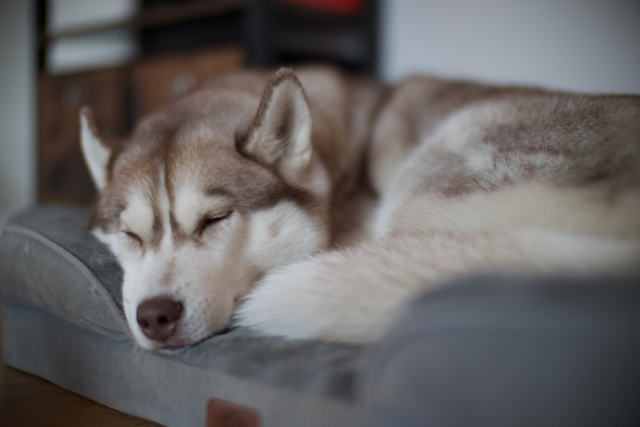
There is a particular kind of anxiety that visits dog owners around four o'clock on a weekday afternoon. It is not, strictly speaking, about the dog. The dog is fine — delighted, in fact, spinning near the lead hook by the door with a conviction that the outdoors represents the single greatest achievement in the history of the universe. The anxiety belongs to the owner. It goes something like this: Is anyone at the park right now? Which dogs? Are they the friendly ones? And then, the more specific dread that follows for the one-in-five owners of reactive dogs: Is it quiet enough?
Apple Maps will tell you where the park is. Google Maps will tell you its opening hours. Instagram, if you're lucky, will surface a photo of it from 2019, slightly overexposed, tagged by someone who no longer lives in the neighbourhood. None of them will tell you what you actually need to know. The data, quite simply, does not exist — not because nobody wants it, but because nobody had yet built the instrument to collect it.
That instrument is what I set out to build.
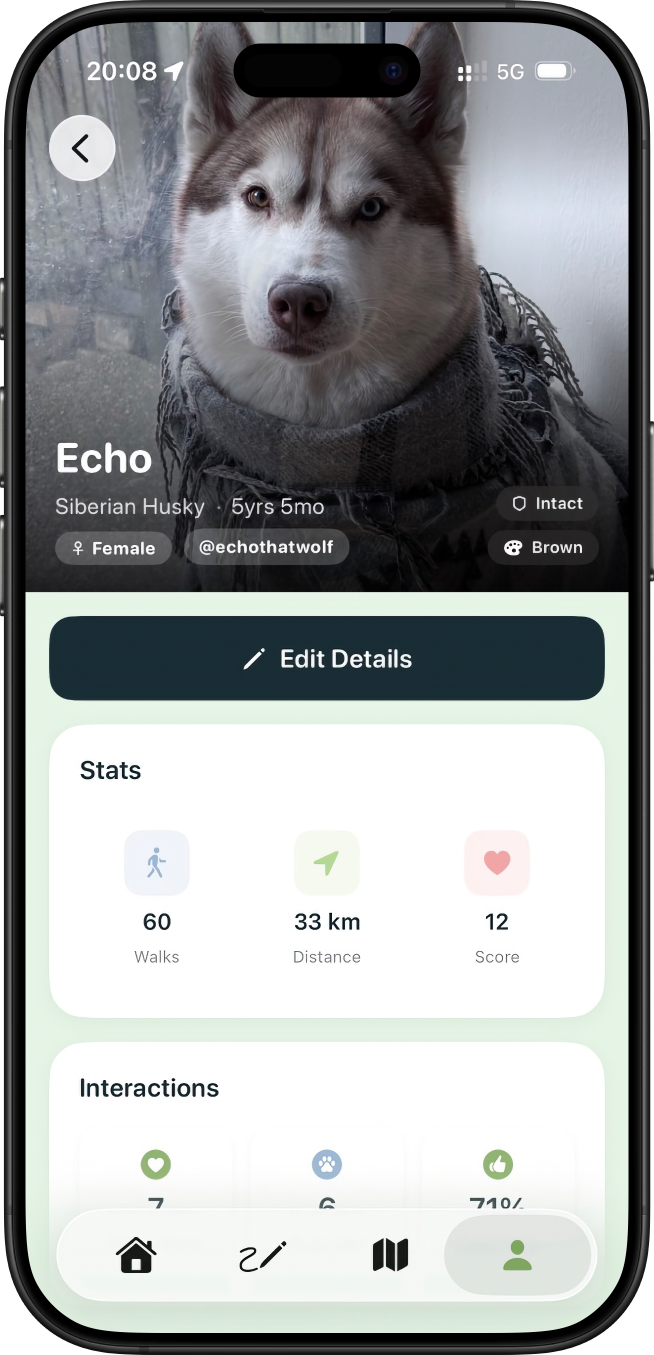
The app is called Paws Near Me, and it began, as most useful things do, with an admission of what was missing. The missing thing was not technology — the phones in our pockets contain more sensing capability than a mid-century space mission. What was missing was the observation layer: a quiet, continuous record of how dogs and their owners actually move through and inhabit public space.
The core design decision followed naturally from this: rather than ask users to tell the app things (reviews, check-ins, ratings — the exhausting apparatus of the modern feedback economy), the app would simply watch what they did. Users log their walks; the system detects when they enter a park; a presence table registers who is where, and for how long. Completed walks accumulate into statistics. No surveys. No prompts. No stars out of five. Just behaviour, observed at low friction and high fidelity.
The infrastructure beneath this is, by design, unpretentious — an iOS client built in Swift and SwiftUI, a backend running on Supabase, and a polling loop that refreshes park activity every thirty seconds or so. One could, of course, reach for something more architecturally dramatic: websockets, event streaming, the full apparatus of the real-time web. One could. But polling is honest. It fails predictably. It is easy to reason about at two in the morning when something has gone wrong. At this stage of the product, data quality and coverage matter more than shaving milliseconds off a park density update.
The Trust Problem
The harder problem, it turned out, was not technical at all. It was trust.
Dog ownership exists at an odd intersection of the public and the intimate. A dog is a social object — it draws strangers into conversation, generates community, animates parks and pavements in a way that little else does. And yet dog theft is real, and not uncommon, and the fear of it is a quiet undercurrent in the daily calculations of many owners. An app that shows you the real-time locations of dogs and their people is either enormously useful or enormously dangerous, depending entirely on who is looking.
The solution I landed on was a connected trust network. To see other dogs on the map, a user must first be connected to another verified user. The result is something like a graph-theoretic version of the old-fashioned letter of introduction: nobody appears on your map who hasn't been, in some sense, vouched for. Visibility and search controls give each user precise command over when and to whom they are visible. The privacy is structural, not merely promised.
This has a cost, and I want to be honest about it. The cold start problem — the difficulty of making a network useful before it reaches a critical mass of users — is, under this model, considerably harder to solve. A less cautious design might grow faster. But speed, here, would have meant trading safety for growth, and that is a trade I chose not to make. The network begins in Hackney, in east London, where I live, which feels like the right kind of beginning: small, knowable, rooted in a specific set of streets and parks and the particular social ecology of dogs who know each other from the morning run.
Beyond the App
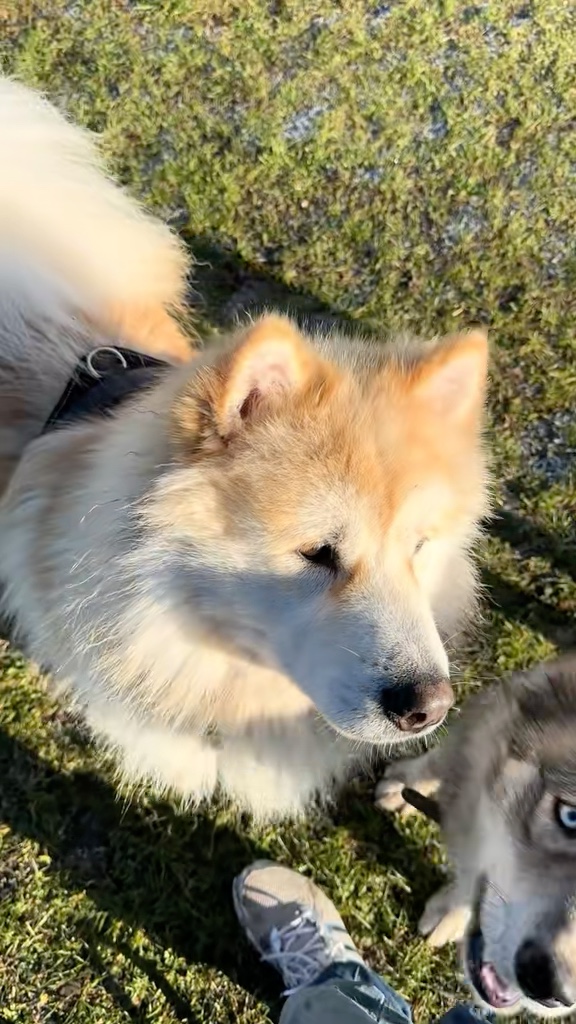
There is something I have not yet mentioned, which is that the data the app generates is, in aggregate, genuinely strange and valuable. What emerges from a continuous, passive record of how people and their dogs use public parks is not merely a consumer product. It is a live dataset of social behaviour in physical space — how density shifts across the hours of a day, how seasonal patterns differ from statistical expectation, how the informal social networks of dog owners mirror or diverge from the formal structures of neighbourhood and postcode. Urban planners study these questions at enormous expense, using surveys that are out of date before the ink is dry. The walks being logged right now, in Hackney and eventually elsewhere, constitute primary research that has simply never existed before.
I have been thinking, too, about what machine learning might eventually do with a dataset like this — not because the current product warrants it (it doesn't; the experience it needs to deliver is well within the reach of simple statistics), but because the longer-term possibilities are genuinely novel. Compatibility patterns between dogs, inferred from shared interactions across time and space. The kind of analysis that requires both a large dataset and the particular structure of this one — relational, trust-gated, behaviourally derived. The technology to do it exists. The data to feed it is only now being generated.
What I'd Do Next
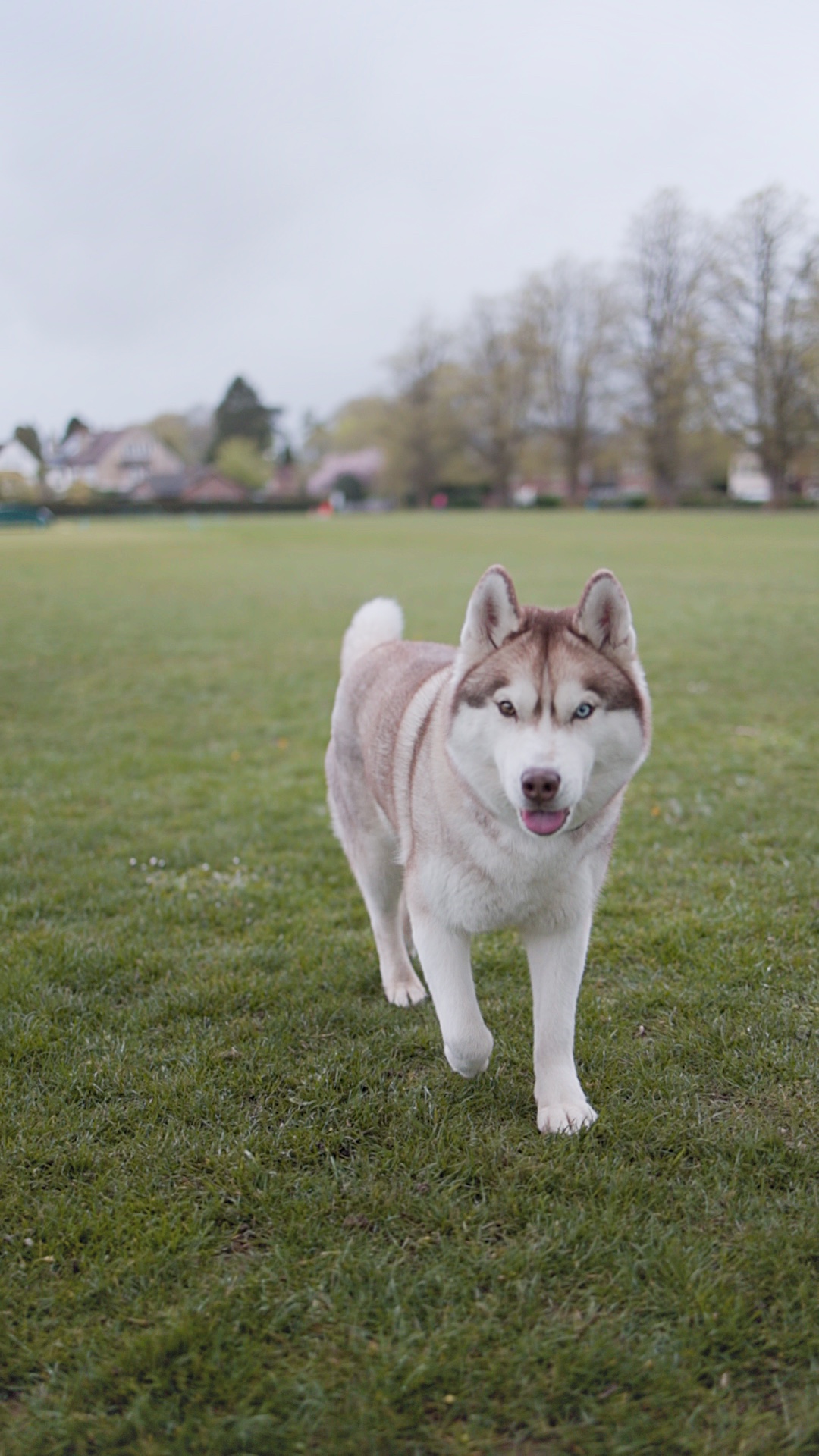
There are things I would do differently, given more time and more users. I would work harder on the cold start problem without loosening the trust constraints — a more elegant onboarding, perhaps, or a model that lets new users see aggregate data before their personal network is established. I would explore a hybrid real-time architecture, something between the predictability of polling and the immediacy of event-driven systems. I would expand the data model to capture richer interactions: not just presence, but the texture of what happens between the dogs and the people.
But the more I have worked on this, the more I have come to believe that the interesting questions were never really about the infrastructure. Real-time systems are, at their core, trust problems. They are data problems. They are product problems. The milliseconds are almost beside the point.
At four o'clock on a weekday afternoon, a dog is spinning by a door somewhere in east London, certain that the park will be wonderful. Its owner is checking a phone, hoping for information that did not exist until very recently.
That gap — between what we want to know and what we have bothered to measure — is where most of the interesting software still lives.